#60: For the World is Hollow and I Have Touched the Sky
In case you forgot: After being attacked by nuclear missiles, the Enterprise traces the attacks back to an asteroid that's really a spaceship that the passengers fervently believe is a planet. It just so happens their spaceship is on collision course with a populated planet, so naturally Kirk and company have to do whatever they can to prevent such a disaster, which involves dismantling the computer that's been piloting the spaceship. McCoy starts off with a deadly case of space AIDS but (of course) is cured by the end of it.
First of all: that title. Really? Really? It's my undying hope that out there, some emo shoe-gaze alt-rock band will release a song with this title, because it's just too perfect.
In another case of backassing: how can we get one of the Power Trio ensconced in this proto-hivemind society? I know: give him xenopolycythemia (which JV and I immediately renamed "xenophobic cephalopod") and have the high priestess of the asteroid-spaceship-planet inexplicably fall in love with him so he'll want to stay behind and become initiated into the culture. Because someone in the Power Trio needs to be some kind of spy for Starfleet, so that they can figure out where the evil computer is, otherwise the Power Trio couldn't save the day.
Yup, it's another "computers run amok!" episode, and it's not one of the better ones. This computer has not only set the spaceship off course; its directive from the very beginning has been to dupe the population of the spacecraft for reasons that are never made clear.
Thursday, August 14, 2014
Wednesday, August 13, 2014
What I'm Reading: Americanah by Chimamanda Ngozi Adichie
One of the best things about the ArmchairBEA I participated in was finding a whole bunch of bookish bloggers writing reviews on new/recent books. Much of my reading time these days is focused on Swedish language acquisition, and then chipping away at my Classics Club/TIME Top 100 list, so any books NOT related to those goals get pushed to the side.
But then people kept writing about Americanah. Lots of people. People whose opinions I knew I could trust. And they liked it. And then, completely unrelated to this, JV found one of Adichie's TED talks—about the danger of a single narrative—and when I connected the name and the woman giving the talk to the book everyone had been talking about, and when I saw a single copy in the extremely schizophrenic English section of "my" bookstore (you all know what I mean by "my" bookstore), I figured that was a sign enough I should get it. So I did.
Americanah is the story of Ifemelu and Odinze, and their youth in Nigeria and their adult lives in the United States and England, respectively. The story arc the book seems to be tracing is an ambitious one. One review I read said it was perhaps too ambitious; while I'm going to reserve judgment until I finish it, right now I find myself agreeing, kind of. There isn't so much going on that the book is impossible to follow or anything like that, but there are storylines where I want to know more, like Aunty Uju and The General.
The writing is eminently readable and I find myself plowing through the book at a pretty snappy pace. Do I think it will become a timeless classic? Perhaps. I am reminded a lot of Zadie Smith's White Teeth—it could almost be called an American* White Teeth—in that it's a story that concerns multiple people and families across a timespan of years, nearly all of them trying to come to terms with themselves and their identities (race, ethnicity....the whole shebang). White Teeth felt a bit tighter and a bit more focused. Americanah also stays quite serious, most of the time. Not that seriousness is to the story's detriment; as Ifemelu writes in one of her blog posts, it is apparently more palatable to white people for Blacks to mention racism in jest, as a funny story, and to not come across as at all bitter or angry about it (in a world where Ifemelu's decision to simply stop using relaxer on her hair and let it grow out naturally is seen in her workplace as a threatening move and potential political or racial "statement"), and I want it to be okay for stories about race and identity to be serious, too. Not just the classics (Beloved, Their Eyes Were Watching God) but also the stories we read today. In the books that we read not because we have to, but because we want to be entertained, or moved, or engaged with the world.
I don't know if the book will break my heart yet (in a sad ending kind of way not in a wasted potential of a book way). It seems like it might. We'll have to wait and see.
*Adichie is Nigerian while Smith is British, but since much of the book is set in America and is about being Nigerian in America (as opposed to being Jamaican or Bengali in England), I think it's fair to call it "an American White Teeth," as opposed to something like "a Nigerian White Teeth."
But then people kept writing about Americanah. Lots of people. People whose opinions I knew I could trust. And they liked it. And then, completely unrelated to this, JV found one of Adichie's TED talks—about the danger of a single narrative—and when I connected the name and the woman giving the talk to the book everyone had been talking about, and when I saw a single copy in the extremely schizophrenic English section of "my" bookstore (you all know what I mean by "my" bookstore), I figured that was a sign enough I should get it. So I did.
Americanah is the story of Ifemelu and Odinze, and their youth in Nigeria and their adult lives in the United States and England, respectively. The story arc the book seems to be tracing is an ambitious one. One review I read said it was perhaps too ambitious; while I'm going to reserve judgment until I finish it, right now I find myself agreeing, kind of. There isn't so much going on that the book is impossible to follow or anything like that, but there are storylines where I want to know more, like Aunty Uju and The General.
The writing is eminently readable and I find myself plowing through the book at a pretty snappy pace. Do I think it will become a timeless classic? Perhaps. I am reminded a lot of Zadie Smith's White Teeth—it could almost be called an American* White Teeth—in that it's a story that concerns multiple people and families across a timespan of years, nearly all of them trying to come to terms with themselves and their identities (race, ethnicity....the whole shebang). White Teeth felt a bit tighter and a bit more focused. Americanah also stays quite serious, most of the time. Not that seriousness is to the story's detriment; as Ifemelu writes in one of her blog posts, it is apparently more palatable to white people for Blacks to mention racism in jest, as a funny story, and to not come across as at all bitter or angry about it (in a world where Ifemelu's decision to simply stop using relaxer on her hair and let it grow out naturally is seen in her workplace as a threatening move and potential political or racial "statement"), and I want it to be okay for stories about race and identity to be serious, too. Not just the classics (Beloved, Their Eyes Were Watching God) but also the stories we read today. In the books that we read not because we have to, but because we want to be entertained, or moved, or engaged with the world.
I don't know if the book will break my heart yet (in a sad ending kind of way not in a wasted potential of a book way). It seems like it might. We'll have to wait and see.
*Adichie is Nigerian while Smith is British, but since much of the book is set in America and is about being Nigerian in America (as opposed to being Jamaican or Bengali in England), I think it's fair to call it "an American White Teeth," as opposed to something like "a Nigerian White Teeth."
Monday, August 11, 2014
Music Monday: Grand Hotel
I always listen to this song all the way through when it comes up on my playlist. The best that prog rock has to offer. Why aren't they in the Rock 'n Roll Hall of Fame already?
Labels:
music
Saturday, August 9, 2014
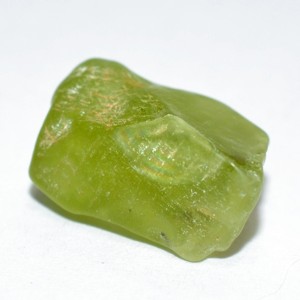
Birthstones: Peridot (August)
This is another instance where the updated Kansas City list differs from the original Tiffany & Co. poems. The original Kansas City list in 1912 included the sardonyx from the Tiffany & Co. poem, but also peridot; the updated list dropped sardonyx entirely. Reasons for this elude me but I'm sure they have to do with selling things.
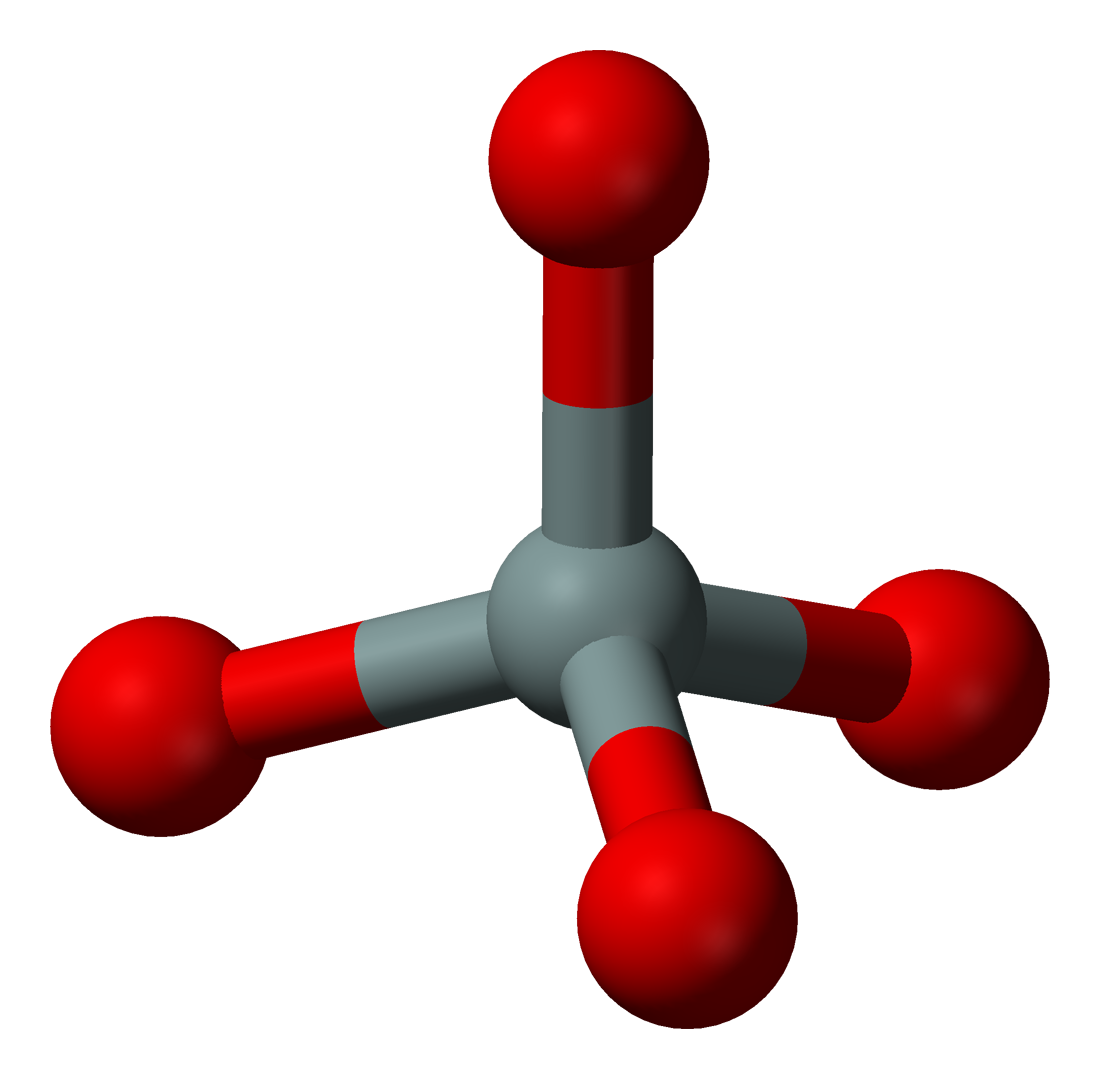
After a brief foray into corundums (corunda?), beryls, and chrysoberyls, with peridot we're back in the realm of silicates: minerals composed primiarily of SiO4.
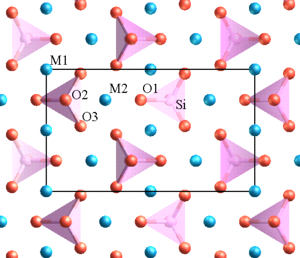
Peridot is rich with magnesium (sometimes iron): (Mg, Fe)2SiO4. One a microscopic level, the whole thing looks like this:
Peridot, then, exhibits the same characteristics we've come to expect of silicates. What makes peridot unique is that it is always and only an olive yellow-green color. In fact, properly speaking, its full name is peridot olivine—olivine is the larger class of Mg- and/or Fe-rich silicates; peridot is the name given to gem-quality samples.
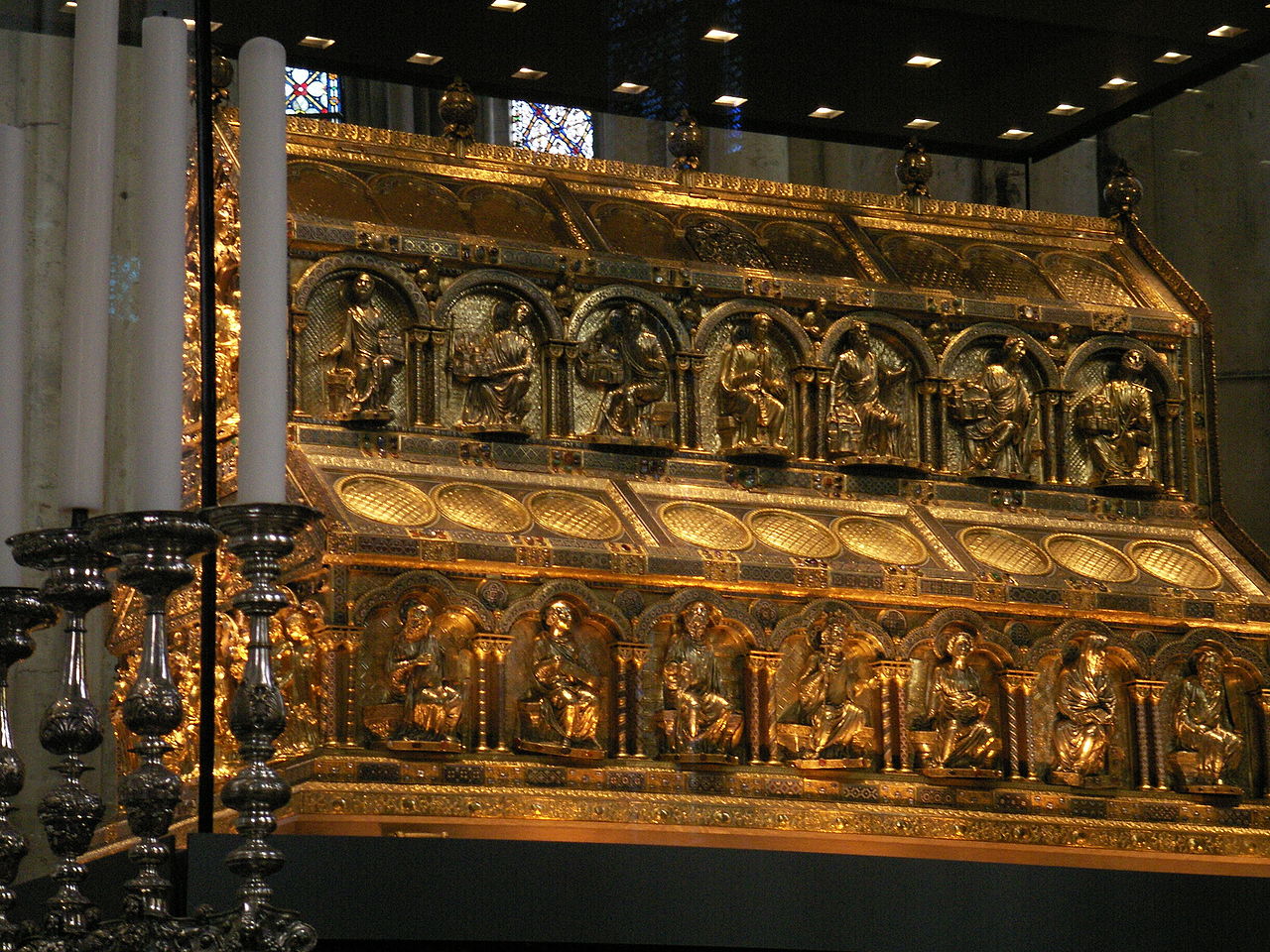
Where the name comes from is unclear. The first written record of it in English is a 1705 translation of Latin church records from 1245. It might come from the Arabic faridat, meaning only "gem," or it might be a corruption of the Anglo–Norman word pedoretés. The Gemological Institute of America favors the former; the OED favors the latter. Historically, high-quality peridot olivine was often confused with emerald, or sometimes topaz; this is probably why the stone didn't come away with its own name right off the bat. This confusion was rampant in all places and ages, but especially in the treasure stores of European churches. Much like the Black Prince's red spinel (thought to be a ruby at the time), the stones in the Dreikönigsschrein in Köln, Germany were long thought to be emeralds—in fact, they are peridots.
The Egyptians mined quite a significant amount of peridot, and used it as a ward against evil and "terrors of the night." It was also thought to treat asthma and reduce the thirst of a fevered person. The stone's power was thought to be enhanced by setting it in gold, stringing it through the hair of a donkey, and wearing it on your left arm.
While it doesn't actually help with asthma, peridot olivine does have other, practical purposes. Right now it is being seriously investigated as a tool in the fight against global climate change, specifically as an agent for sequestering CO2. It's also used in blast furnaces in steel production. On a more frivolous note, olivine is also often used in Finnish saunas as it's fairly dense and also resistant to weathering.
Peridot, while lovely, is not as rare as some of the other stones we've recently looked at and does not typically command jaw-dropping prices. It is also not synthesized either; the only imitation on the market is green glass.
Where the name comes from is unclear. The first written record of it in English is a 1705 translation of Latin church records from 1245. It might come from the Arabic faridat, meaning only "gem," or it might be a corruption of the Anglo–Norman word pedoretés. The Gemological Institute of America favors the former; the OED favors the latter. Historically, high-quality peridot olivine was often confused with emerald, or sometimes topaz; this is probably why the stone didn't come away with its own name right off the bat. This confusion was rampant in all places and ages, but especially in the treasure stores of European churches. Much like the Black Prince's red spinel (thought to be a ruby at the time), the stones in the Dreikönigsschrein in Köln, Germany were long thought to be emeralds—in fact, they are peridots.
Cleopatra's fabled emerald collection might also have been peridot, but obviously there's no way for us to go back and check.
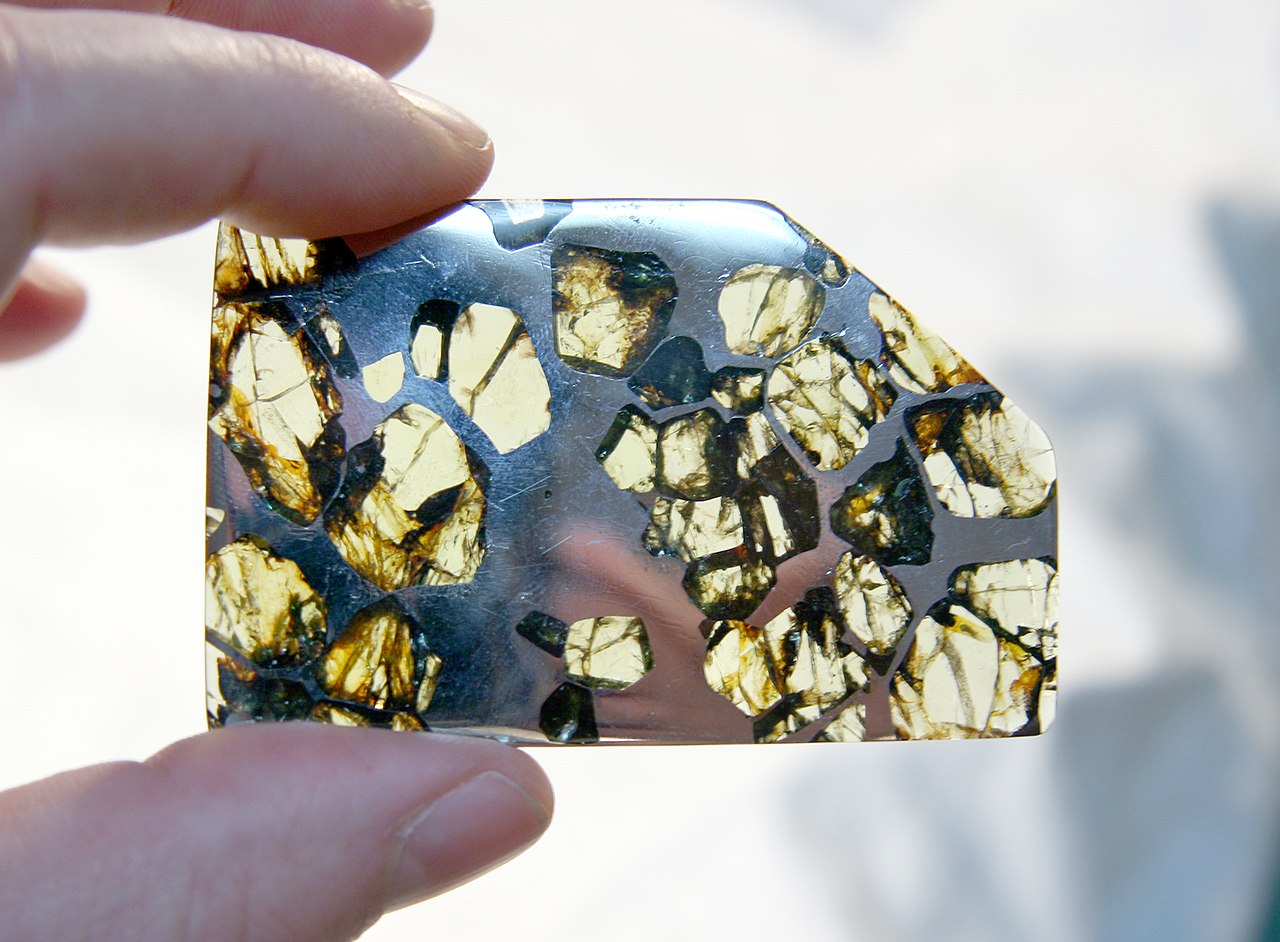
Needless to say, this green silicate has been around for a while, even if it's operated under many names. While olivine forms deeper in the mantle than most other stones (except diamonds), it is still made of silicate, the most common material in the Earth's crust. One good volcanic eruption can bring a whole host of rough peridot to the surface. Peridot can also form in outer space, on other planets or protoplanets; occasionally they make their way to Earth via a nickel–iron meteorite (called a pallasite). The result is stunning:
The Egyptians mined quite a significant amount of peridot, and used it as a ward against evil and "terrors of the night." It was also thought to treat asthma and reduce the thirst of a fevered person. The stone's power was thought to be enhanced by setting it in gold, stringing it through the hair of a donkey, and wearing it on your left arm.
While it doesn't actually help with asthma, peridot olivine does have other, practical purposes. Right now it is being seriously investigated as a tool in the fight against global climate change, specifically as an agent for sequestering CO2. It's also used in blast furnaces in steel production. On a more frivolous note, olivine is also often used in Finnish saunas as it's fairly dense and also resistant to weathering.
Peridot, while lovely, is not as rare as some of the other stones we've recently looked at and does not typically command jaw-dropping prices. It is also not synthesized either; the only imitation on the market is green glass.
Thursday, August 7, 2014
Trek Thursday: Assignment Earth
#60: Assignment Earth
In case you forgot: The Enterprise's latest mission is to travel through time to watch late 60s Earth for "historical study." They stumble across a previously unknown alien being whose ultimate mission is to apparently babysit Earth and keep us from doing anything stupid.
Roddenberry wrote this as a backdoor pilot (get your minds out of the gutter) for his latest brainchild, which would center around said alien being (left), his cat-wife (not pictured) (we also had a woman as a cat in Cat's Paw, what is it with TOS and female felines?), and his plucky young attractive sidekick (right).
This is backassing to the highest degree. Watching the pilot for another show when you're trying to enjoy your Trek is a little tedious, even inconsistent: the previous two times the Enterprise traveled through time it was by accident (The Naked Time and Tomorrow is Yesterday, in case you wanted me to cite my sources) (though I haven't gone back and checked the stardates on the episodes), now they can do it at will? And the last time they ended up back in late 1960s Earth, all they cared about was getting out without messing up the timeline. That seems to be the last thing on anyone's mind in Assignment: Earth.
In case you forgot: The Enterprise's latest mission is to travel through time to watch late 60s Earth for "historical study." They stumble across a previously unknown alien being whose ultimate mission is to apparently babysit Earth and keep us from doing anything stupid.
Roddenberry wrote this as a backdoor pilot (get your minds out of the gutter) for his latest brainchild, which would center around said alien being (left), his cat-wife (not pictured) (we also had a woman as a cat in Cat's Paw, what is it with TOS and female felines?), and his plucky young attractive sidekick (right).
This is backassing to the highest degree. Watching the pilot for another show when you're trying to enjoy your Trek is a little tedious, even inconsistent: the previous two times the Enterprise traveled through time it was by accident (The Naked Time and Tomorrow is Yesterday, in case you wanted me to cite my sources) (though I haven't gone back and checked the stardates on the episodes), now they can do it at will? And the last time they ended up back in late 1960s Earth, all they cared about was getting out without messing up the timeline. That seems to be the last thing on anyone's mind in Assignment: Earth.
Wednesday, August 6, 2014
No More Heroes: Brian "Skeptoid" Dunning Convicted of Massive Wire Fraud
For those of you who don't read Pharyngula but do follow Skeptoid, you might want to know that Brian Dunning has been convicted of defrauding eBay* of millions of dollars. He did it by "cookie stuffing."
Dunning and a colleague developed their own little widgets for websites: one was a "where in the world?" widget where you could see where in the world your visitors were coming from, and the other (Dunning's) was just a page hit counter. Totally harmless-seeming and fun little things to have on your website.
Nestled within that code was a sort of sleeper cookie unrelated to the widget's stated purpose. That cookie would only activate (not really the right term but it'll do) if you browsed to eBay and bought something. It would trick eBay into thinking that you had purchased your item via an affiliate link belonging to Dunning, and they would then send him an appropriate cut of the purchase.
This chafes me because I have definitely visited the Skeptoid website on this computer with this browser and have also bought a handful of things off eBay—shame on me for not regularly clearing out my cookies and such, I guess—so I've probably contributed to his ill-gotten gains by crediting him with a couple sales he has no right to claim. I should say that there is no official word on whether he used that widget or that particular piece of code on his website, but it would be naive to think he didn't.
Not the worst thing a person can do, but still pretty shitty.
*I mean it's eBay and not little old ladies, but still.
Dunning and a colleague developed their own little widgets for websites: one was a "where in the world?" widget where you could see where in the world your visitors were coming from, and the other (Dunning's) was just a page hit counter. Totally harmless-seeming and fun little things to have on your website.
Nestled within that code was a sort of sleeper cookie unrelated to the widget's stated purpose. That cookie would only activate (not really the right term but it'll do) if you browsed to eBay and bought something. It would trick eBay into thinking that you had purchased your item via an affiliate link belonging to Dunning, and they would then send him an appropriate cut of the purchase.
This chafes me because I have definitely visited the Skeptoid website on this computer with this browser and have also bought a handful of things off eBay—shame on me for not regularly clearing out my cookies and such, I guess—so I've probably contributed to his ill-gotten gains by crediting him with a couple sales he has no right to claim. I should say that there is no official word on whether he used that widget or that particular piece of code on his website, but it would be naive to think he didn't.
Not the worst thing a person can do, but still pretty shitty.
*I mean it's eBay and not little old ladies, but still.
Labels:
news
Friday, August 1, 2014
Friday Find: Leslie Tunic Top by SWAK
Okay, so normally I reserve my "Friday Finds" for Etsy or Zibbet shops, but I am so freaking over the moon that I'm making a rare exception.
I could make a whole long song and dance post about being fat and fashion but instead I will only say:
| "Leslie" Tunic Top by SWAK Designs |
Why doesn't anyone know how to make a good goddamn tunic top?
I can't count how many adorable tunic tops I've seen that inexplicably do not allow enough material above the gathered/sewn bit (you know, the part that should go right around your band) for the boobs they're supposed to be holding. This isn't a case of going a size or two up, either; you do that and now the gathered bit sits where it should, but the V-neck is halfway down to your navel. There is, of course, nothing wrong with that kind of look, but it's definitely not the shirt's intended use (judging by the models). It's like they're all designed for women with incredibly high-set, possibly gravity-defying bosoms. Either that or they're designed so that the horizontal bit goes RIGHT ACROSS your boobs? Which, if that's the case, is terrible design.
Enter: the "Leslie" tunic top from SWAK designs.
Let me back up: SWAK designs is a plus-sized (and only plus-sized, sorry) clothing vendor based in LA, with products made in the US in sizes (generous sizes at that) up to 6X. I've ordered clothes from them before, and been pleased, but this is my first post on them.
I'm not getting any kind of swag for this, either; I have just found shirt nirvana.
Because that's what this is: proof positive that a good tunic top IS possible because the Leslie top is perfect. A generous neckline that doesn't venture into "would you like to see my new bra?" territory but still feels modern and flirty and a gathering that actually sits under your boobs. And! AND! The gathering is elastic so it can, if necessary, stretch over a large rack! Not a problem for me (I am not particularly out of proportion in that department) but I know there are women with bigger boob woes than me.
It is a bit pricey when not on sale ($49.90), but SWAK has loads of sales and discount codes so if you're smart about your shopping it won't break the bank.
Subscribe to:
Posts (Atom)